
Locker Room to Life: Healthy Masculinity in Teams, Schools, and Work
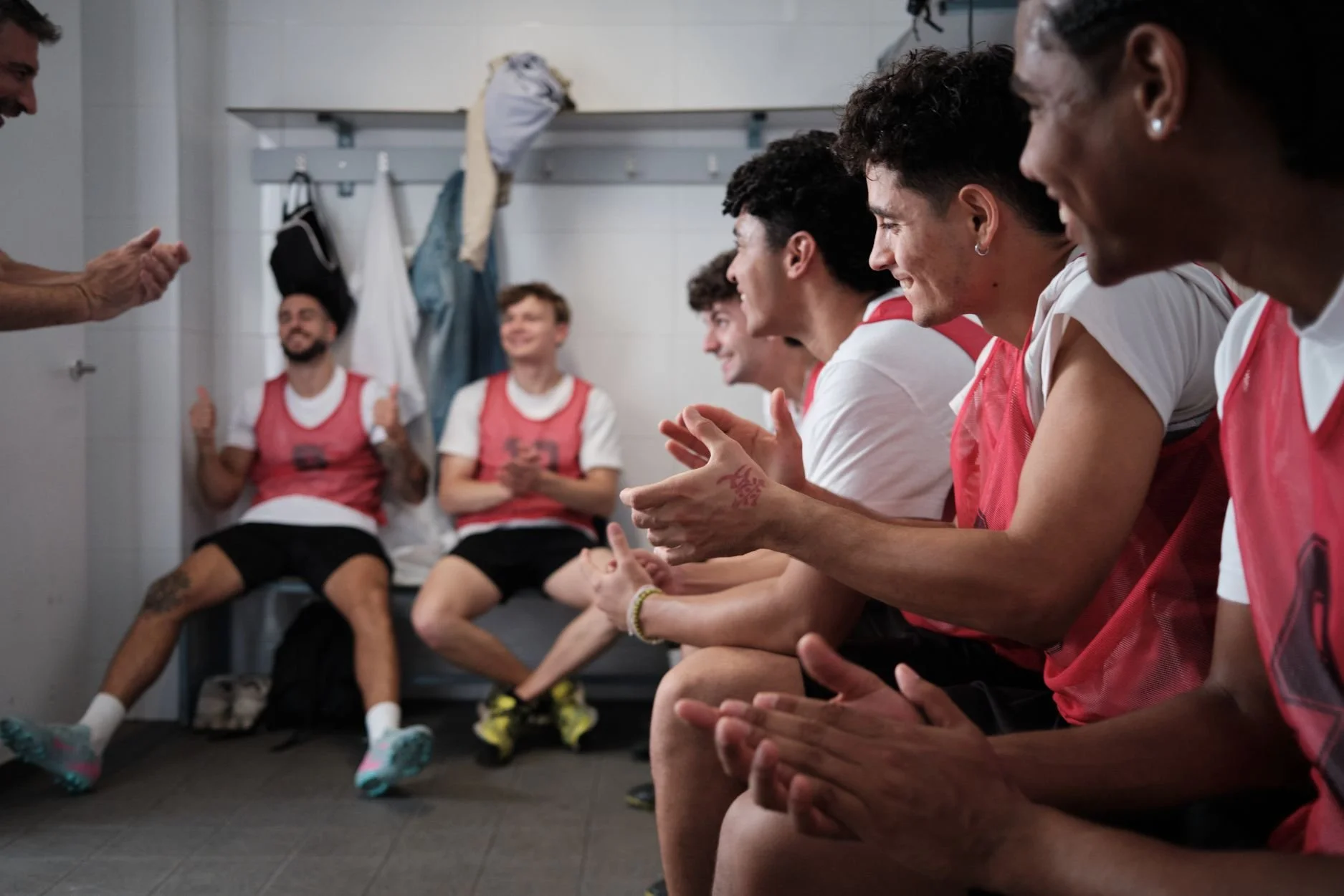
Toughness Isn’t a Volume Setting—It’s a Skill Stack
In the locker room—and in boardrooms and shops across the Upper Midwest—“toughness” often gets confused with being loud, stoic, or indifferent to pain. That kind of performative toughness can win a day but loses the season: guys burn out, quit quietly, or turn on each other. Healthy masculinity is different. It’s strength directed by responsibility—courage under pressure, empathy for teammates, and discipline in the small things. When you train those skills on purpose, performance climbs and drama drops.
What Healthy Masculinity Looks Like in Action
Courage: Taking the hard rep, owning the mistake, having the uncomfortable conversation.
Empathy: Reading the room, noticing when a teammate is off, and adjusting how you deliver the message.
Discipline: Showing up on time, doing your job well, and repairing when you mess up.
These aren’t soft skills. They’re force multipliers. Teams with this stack win more close games, crews with it have fewer accidents, and families with it see less yelling and more respect.
Why Performative Toughness Fails
Humiliation poisons trust. Shaming athletes or workers sparks short‑term compliance and long‑term resentment.
Silence hides problems. “Don’t be weak” teaches boys and men to conceal injuries, concussions, and mental health issues until they explode.
Fear narrows focus. When guys worry about getting ripped publicly, they play not to lose.
Replace humiliation and fear with standard + accountability + repair. Standards stay high; dignity stays intact.
Build the Culture: A Playbook for Coaches, Captains, and Dads
1) Publish the Standard
Five behaviors max. E.g., “On time, clear communication, full effort, respect in speech, clean space.”
Define observable actions. Not “be a leader,” but “help a teammate without being asked once per practice.”
Make it visible. Post it in the locker room, shop, or kitchen. Review weekly.
2) Assign Clear Roles
Everyone has a job on the team and at home. Clarify who leads warm‑ups, who checks equipment, who runs the post‑game cleanup. At home: who starts dinner, who handles drop‑offs, who sets the budget review.
3) Create Non‑Humiliating Consequences
Natural, fast, fair. Late? You set up and break down gear. Messed up language? You lead the next appreciation circle.
No group punishments for individual errors. It destroys trust.
4) Install Repair Rituals
Own it: “I missed my assignment; that’s on me.”
Name the cost: “It put pressure on the defense.”
State the fix: “I’m watching film and rerunning the drill.”
Make amends: “I’ll stay after with the younger guys I snapped at.”
5) Celebrate the Right Things
Praise effort and composure more than outcome. “Loved your reset after that turnover.”
Highlight the unseen work: weight room consistency, tutoring a teammate, putting the little brother to bed so mom could rest.
Language That Challenges Without Degrading
Words build or break cultures. Try these swaps:
From “Don’t be soft.” To “Take the hard rep.”
From “Man up.” To “Step up—here’s your job.”
From public call‑outs. To private correction + public praise.
From sarcasm. To specific feedback: “Your feet stopped. Keep them moving through the contact.”
At home, the same rules apply. Critique the behavior; honor the person.
Concussions, Injuries, and Mental Health: Safety Is Masculine
Toughness doesn’t mean hiding injuries. It means protecting the mission and your future.
Concussions: Report symptoms immediately. Use your school or league’s return‑to‑play protocol. Parents: advocate hard here.
Mental health: Name the issue early—sleep collapse, irritability, panic spikes. Early treatment keeps talent on the field and dads steady at home.
Substances: Talk straight about alcohol, nicotine, and PEDs. Build identity around performance, not shortcuts.
A guy who seeks help before he breaks is not weak. He’s smart and responsible.
For Coaches: Practice Design That Builds Character and Composure
Pressure Reps: Create controlled chaos—time limits, crowd noise—and train reset cues between reps (breath, posture, focus word).
Role Rotations: Give each athlete a leadership moment (call warm‑up, run a drill). Confidence grows through reps, not speeches.
Short Debriefs: Two minutes: what we felt, what worked, what’s next. Keep it moving.
Standards Film: Clip 10 seconds of someone meeting the standard each week. Praise publicly.
For Captains & Crew Leads: How to Hold Peers Accountable
Speak quietly and directly. Pull a teammate aside. “You’re late again. We need you. Can you set an alarm and text me if you’re behind?”
Offer help, not excuses. “I’ll swing by 10 minutes early and grab the cones with you.”
Follow up. Accountability without follow‑through is noise.
For Dads & Stepdads: Respect + Boundaries at Home
One‑on‑one time: Put it on the calendar. Side‑by‑side activities (drives, chores) open conversation.
Clear chores & curfews: Roles reduce arguing; expectations reduce micromanaging.
Apologize like a leader: “I lost my temper. That’s on me. Here’s my fix.”
Digital rules: Device‑free meals and last hour. Hold your own line first.
Blended families? Pace trust. Hold standards but earn voice through consistency.
When Culture Slips: A 30‑Day Reset
Week 1 – Audit: Anonymous survey: What helps? What hurts? What should we stop/keep/start? Share results.
Week 2 – Standards: Re‑publish the five behaviors. Clarify roles. Reset consequences.
Week 3 – Rituals: Add repair and appreciation circles. Start film clips of standards met.
Week 4 – Celebrate & Cement: Recognize small wins. Schedule a light team event (service project, shared meal, outdoor day).
This is the same at home: audit, standard, ritual, celebrate.
Faith & Values: Service Over Swagger
In North Dakota and Minnesota, many families and teams want masculinity aligned with faith: courage, humility, stewardship, and service. Teach boys (and remind men) that strength exists for others—protecting teammates, honoring parents and partners, showing up for the vulnerable. Swagger fades; service sticks.
Common Pitfalls (and How to Avoid Them)
Group punishment. It feels decisive and breeds quiet resentment. Target the behavior, not the team.
Hero worship. One star gets different rules—culture collapses. Standards apply to everyone.
Endless meetings. Over‑talking kills energy. Keep corrections brief and concrete.
Sarcasm as default. It’s laziness disguised as humor. Replace with clarity.
Toughness Isn’t a Volume Setting—It’s a Skill Stack
In the locker room—and in boardrooms and shops across the Upper Midwest—“toughness” often gets confused with being loud, stoic, or indifferent to pain. That kind of performative toughness can win a day but loses the season: guys burn out, quit quietly, or turn on each other. Healthy masculinity is different. It’s strength directed by responsibility—courage under pressure, empathy for teammates, and discipline in the small things. When you train those skills on purpose, performance climbs and drama drops.
What Healthy Masculinity Looks Like in Action
Courage: Taking the hard rep, owning the mistake, having the uncomfortable conversation.
Empathy: Reading the room, noticing when a teammate is off, and adjusting how you deliver the message.
Discipline: Showing up on time, doing your job well, and repairing when you mess up.
These aren’t soft skills. They’re force multipliers. Teams with this stack win more close games, crews with it have fewer accidents, and families with it see less yelling and more respect.
Why Performative Toughness Fails
Humiliation poisons trust. Shaming athletes or workers sparks short‑term compliance and long‑term resentment.
Silence hides problems. “Don’t be weak” teaches boys and men to conceal injuries, concussions, and mental health issues until they explode.
Fear narrows focus. When guys worry about getting ripped publicly, they play not to lose.
Replace humiliation and fear with standard + accountability + repair. Standards stay high; dignity stays intact.
Build the Culture: A Playbook for Coaches, Captains, and Dads
1) Publish the Standard
Five behaviors max. E.g., “On time, clear communication, full effort, respect in speech, clean space.”
Define observable actions. Not “be a leader,” but “help a teammate without being asked once per practice.”
Make it visible. Post it in the locker room, shop, or kitchen. Review weekly.
2) Assign Clear Roles
Everyone has a job on the team and at home. Clarify who leads warm‑ups, who checks equipment, who runs the post‑game cleanup. At home: who starts dinner, who handles drop‑offs, who sets the budget review.
3) Create Non‑Humiliating Consequences
Natural, fast, fair. Late? You set up and break down gear. Messed up language? You lead the next appreciation circle.
No group punishments for individual errors. It destroys trust.
4) Install Repair Rituals
Own it: “I missed my assignment; that’s on me.”
Name the cost: “It put pressure on the defense.”
State the fix: “I’m watching film and rerunning the drill.”
Make amends: “I’ll stay after with the younger guys I snapped at.”
5) Celebrate the Right Things
Praise effort and composure more than outcome. “Loved your reset after that turnover.”
Highlight the unseen work: weight room consistency, tutoring a teammate, putting the little brother to bed so mom could rest.
Language That Challenges Without Degrading
Words build or break cultures. Try these swaps:
From “Don’t be soft.” To “Take the hard rep.”
From “Man up.” To “Step up—here’s your job.”
From public call‑outs. To private correction + public praise.
From sarcasm. To specific feedback: “Your feet stopped. Keep them moving through the contact.”
At home, the same rules apply. Critique the behavior; honor the person.
Concussions, Injuries, and Mental Health: Safety Is Masculine
Toughness doesn’t mean hiding injuries. It means protecting the mission and your future.
Concussions: Report symptoms immediately. Use your school or league’s return‑to‑play protocol. Parents: advocate hard here.
Mental health: Name the issue early—sleep collapse, irritability, panic spikes. Early treatment keeps talent on the field and dads steady at home.
Substances: Talk straight about alcohol, nicotine, and PEDs. Build identity around performance, not shortcuts.
A guy who seeks help before he breaks is not weak. He’s smart and responsible.
For Coaches: Practice Design That Builds Character and Composure
Pressure Reps: Create controlled chaos—time limits, crowd noise—and train reset cues between reps (breath, posture, focus word).
Role Rotations: Give each athlete a leadership moment (call warm‑up, run a drill). Confidence grows through reps, not speeches.
Short Debriefs: Two minutes: what we felt, what worked, what’s next. Keep it moving.
Standards Film: Clip 10 seconds of someone meeting the standard each week. Praise publicly.
For Captains & Crew Leads: How to Hold Peers Accountable
Speak quietly and directly. Pull a teammate aside. “You’re late again. We need you. Can you set an alarm and text me if you’re behind?”
Offer help, not excuses. “I’ll swing by 10 minutes early and grab the cones with you.”
Follow up. Accountability without follow‑through is noise.
For Dads & Stepdads: Respect + Boundaries at Home
One‑on‑one time: Put it on the calendar. Side‑by‑side activities (drives, chores) open conversation.
Clear chores & curfews: Roles reduce arguing; expectations reduce micromanaging.
Apologize like a leader: “I lost my temper. That’s on me. Here’s my fix.”
Digital rules: Device‑free meals and last hour. Hold your own line first.
Blended families? Pace trust. Hold standards but earn voice through consistency.
When Culture Slips: A 30‑Day Reset
Week 1 – Audit: Anonymous survey: What helps? What hurts? What should we stop/keep/start? Share results.
Week 2 – Standards: Re‑publish the five behaviors. Clarify roles. Reset consequences.
Week 3 – Rituals: Add repair and appreciation circles. Start film clips of standards met.
Week 4 – Celebrate & Cement: Recognize small wins. Schedule a light team event (service project, shared meal, outdoor day).
This is the same at home: audit, standard, ritual, celebrate.
Faith & Values: Service Over Swagger
In North Dakota and Minnesota, many families and teams want masculinity aligned with faith: courage, humility, stewardship, and service. Teach boys (and remind men) that strength exists for others—protecting teammates, honoring parents and partners, showing up for the vulnerable. Swagger fades; service sticks.
Common Pitfalls (and How to Avoid Them)
Group punishment. It feels decisive and breeds quiet resentment. Target the behavior, not the team.
Hero worship. One star gets different rules—culture collapses. Standards apply to everyone.
Endless meetings. Over‑talking kills energy. Keep corrections brief and concrete.
Sarcasm as default. It’s laziness disguised as humor. Replace with clarity.
The Payoff: Performance You Can Feel
More composure in tight moments
Fewer injuries and conflicts
Better grades and attendance for youth athletes
Higher retention on work crews
Calmer homes, stronger father‑son bonds
When men feel respected and responsible, they play harder for each other.
Ready to Upgrade Your Culture?
At Ronin Counseling, we help dads, coaches, captains, and managers build cultures that work in real life: clear standards, fair consequences, and rituals that create pride without humiliation.
